
Queen Elizabeth II: A Life in Photographs and Legacy
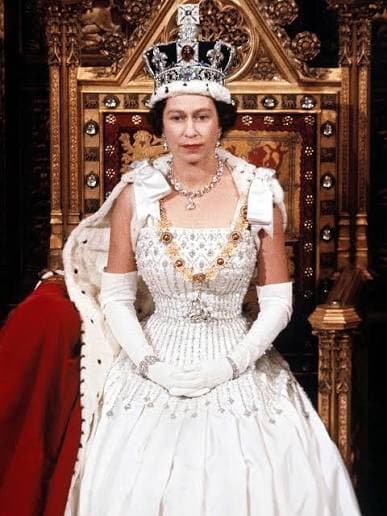
Queen Elizabeth II reigned for over 70 years, making her the longest-serving British monarch in history. Her life, extensively documented through photography, offers a visual chronicle of a century of change, from the pre-war austerity of the 1920s to the digital age of the 2020s. Through photographs, we can trace not just a woman's life but the evolution of a nation and the institution of monarchy itself.
Early Years: The Making of a Future Queen
Elizabeth Alexandra Mary Windsor was born on April 21, 1926, in Mayfair, London, to the Duke and Duchess of York, who would later become King George VI and Queen Elizabeth (the Queen Mother). Early photographs show a cheerful, confident child who showed little indication of the extraordinary destiny that awaited her.
Family photographs from the 1930s reveal the close bond between Elizabeth and her younger sister, Margaret. The sisters were educated at home by their governess, Marion Crawford, and photographs from this period show them playing in the gardens of Buckingham Palace and Royal Lodge, Windsor. These images present a surprisingly normal childhood for two girls who were being prepared for lives of extraordinary public service.
The Abdication Crisis and Accession
The abdication of Edward VIII in 1936, when Elizabeth was just 10 years old, thrust her family into the spotlight. Photographs from this period show a young princess becoming increasingly aware of her responsibilities. The image of Elizabeth and Margaret peering through the balcony doors during George VI's coronation captured the nation's attention and marked the beginning of Elizabeth's public life.
When George VI died in February 1952, 25-year-old Elizabeth was in Kenya on a royal tour. The famous photograph of her return to London—dressed in black and walking stoically from the airport—captured the moment she transformed from princess to queen. This image became one of the most iconic photographs in British history, symbolizing both personal grief and national responsibility.
The Coronation and Early Reign
Elizabeth's coronation on June 2, 1953, was the first to be fully televised, bringing the ceremony into millions of homes around the world. Photographs from the event show a young queen radiant in her coronation robes, embodying both tradition and modernity. The ceremony marked the beginning of a new Elizabethan era that would transform Britain and the Commonwealth.
Early photographs of her reign show a queen balancing traditional duties with modern expectations. Images of Elizabeth meeting with prime ministers, opening parliament, and undertaking royal tours demonstrate her commitment to the role. Personal photographs from this period also reveal the young mother raising two children while managing the demands of monarchy.
The Queen and Technology
Elizabeth's reign coincided with rapid technological change, and photographs document her adaptation to new technologies. From the first televised coronation to her adoption of email and social media, the queen embraced technology while maintaining the dignity of her position. Photographs of her using computers, tablets, and smartphones show a monarch who understood the importance of staying relevant in a changing world.
Her embrace of technology extended to how the monarchy communicated with the public. The royal family's adoption of websites, social media, and digital communications transformed how the institution engaged with citizens, making the monarchy more accessible while maintaining its essential mystique.
Personal Life and Family Photographs
Beyond her public duties, Elizabeth's personal life was documented through family photographs that revealed a different side of the monarch. Images of her with Prince Philip, her children, and grandchildren show a woman who valued family relationships and found joy in personal connections. These photographs humanized the queen and helped the public see her as more than a ceremonial figure.
Her relationship with Prince Philip, documented through over seven decades of photographs, became one of the most enduring partnerships in British public life. From their wedding in 1947 to Philip's death in 2021, photographs captured a relationship that combined personal affection with public service, providing a stable foundation for the monarchy during decades of change.
Historical Moments Captured
Elizabeth's reign was marked by countless historical moments, each captured through photography. Images of her meeting with world leaders, attending state funerals, celebrating national achievements, and mourning national tragedies document the breadth of her responsibilities. These photographs serve as a visual record of British history over seven decades.
Some of the most powerful images capture moments of national significance—the queen's response to the death of Princess Diana, her Christmas broadcasts during times of crisis, and her stoic presence during the COVID-19 pandemic. These photographs demonstrate how the monarchy provided continuity and stability during periods of uncertainty and change.
Legacy and Final Years
Photographs from Elizabeth's final years show a queen who continued to fulfill her duties with dedication and grace despite advancing age and personal loss. Images of her meeting with Prime Minister Liz Truss just two days before her death demonstrate her lifelong commitment to service, while photographs from her Platinum Jubilee celebrations in 2022 show a monarch celebrated by her nation.
The final photographs of Elizabeth's reign, showing her family gathering at Balmoral in the days after her death, capture the personal dimension of a public life. These images remind us that behind the ceremonial role was a woman who loved her family, valued her relationships, and found meaning in personal connections. Her legacy, documented through seven decades of photography, represents both a personal journey and a national story that continues to resonate around the world.
Photographs as Historical Documents
Beyond their aesthetic and emotional value, photographs of Queen Elizabeth serve as important historical documents. They capture not just a monarch but the evolving relationship between the British public and their head of state. From formal state portraits to candid family snapshots, these images provide researchers, historians, and the public with visual evidence of how the monarchy adapted to changing social norms, technological advances, and political realities over seven decades of continuous service.
Frequently Asked Questions
How long did Queen Elizabeth II reign?
Queen Elizabeth II reigned for over 70 years, from February 6, 1952, to September 8, 2022, making her the longest-serving British monarch in history.
What was Queen Elizabeth II's most iconic photograph?
Some of Queen Elizabeth II's most iconic photographs include her return to London after her father's death in 1952, her coronation portrait in 1953, and the image of her sitting alone at Prince Philip's funeral in 2021.
What is Queen Elizabeth II's legacy?
Queen Elizabeth II's legacy includes modernizing the British monarchy, maintaining its relevance through decades of change, and demonstrating unwavering commitment to public service for over 70 years.
Where can I see Queen Elizabeth II's photographs?
Queen Elizabeth II's photographs are held in the Royal Collection Trust, displayed at official royal residences, and archived by major news agencies including Getty Images and the Associated Press.
The Persona Editorial Desk
Staff Writer, The Editorial Desk