
The Classic Blazer Style Guide: Timeless Elegance for Every Occasion
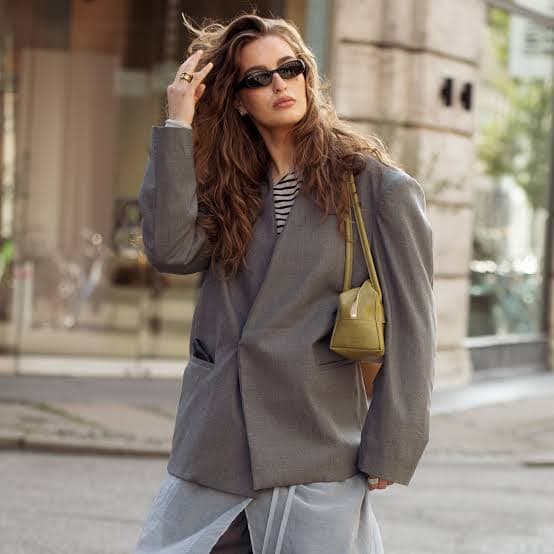
The classic blazer is one of the most versatile garments in modern fashion. Whether worn over a crisp white shirt for a business meeting or paired with jeans for a weekend brunch, a well-fitted blazer instantly elevates any outfit. Understanding how to choose, style, and care for a blazer is essential knowledge for anyone who values timeless elegance.
A Brief History of the Blazer
The blazer's origins trace back to the 19th century British Royal Navy. The term "blazer" reportedly came from the HMS Blazer, whose crew wore distinctive navy blue jackets with brass buttons. By the late 1800s, the blazer had been adopted by rowing clubs at Oxford and Cambridge, where the brightly colored jackets became symbols of team identity.
Throughout the 20th century, the blazer evolved from sporting attire to a staple of professional and social wardrobes. The single-breasted navy blazer became a cornerstone of preppy American style, while Italian designers reimagined the garment with slimmer cuts and luxurious fabrics. Today, the blazer transcends gender and cultural boundaries, serving as a universal symbol of polished style.
Choosing the Right Fabric
Fabric selection is the foundation of a great blazer. Wool remains the gold standard for its breathability, drape, and durability. Flannel wool is ideal for cooler months, offering warmth and a soft texture. Worsted wool provides a smoother finish suitable for year-round wear.
Linen blazers excel in warm weather, offering exceptional breathability despite their tendency to wrinkle. Cotton blazers provide a casual alternative, perfect for weekend wear and transitional seasons. For formal occasions, silk or silk-blend fabrics offer an unmistakable sheen and luxury.
Modern performance fabrics have also entered the blazer market, offering stretch, moisture-wicking properties, and wrinkle resistance. While purists may prefer natural fibers, these innovations make blazers more practical for everyday wear, particularly for those with active lifestyles or frequent travel schedules.
The Perfect Fit: What to Look For
The difference between a good blazer and a great blazer lies in the fit. A properly fitted blazer should hug your shoulders without pulling, allow comfortable movement through the chest and back, and create a clean line from shoulder to hem. The sleeve should end just above the wrist bone, allowing a quarter to half inch of shirt cuff to show.
The chest should button comfortably without pulling or gaping, and the jacket should follow the natural curve of your torso without being tight. For single-breasted blazers, the button stance should sit at your natural waist, creating a balanced proportion between the jacket's upper and lower halves.
When trying on a blazer, perform the "hug test"—reach forward as if hugging someone. The jacket should move with you without restricting your range of motion. If the back pulls or the shoulders rise, the blazer is too small. If the front gapes or the shoulders droop, it's too large.
Color Selection and Versatility
For a first blazer, navy blue offers unmatched versatility. It pairs with virtually every color and can transition from business to casual settings with ease. Charcoal gray provides a similarly versatile option with a slightly more formal character. Black blazers, while classic, can appear overly formal for casual settings and are best reserved for evening events or formal occasions.
If you are building a complete wardrobe, pairing a blazer with quiet luxury fashion principles creates a cohesive look that emphasizes quality over logos.
Beyond these fundamentals, consider colors that complement your skin tone and existing wardrobe. Camel, olive, and burgundy offer sophisticated alternatives that pair well with neutral basics. Patterned blazers—pinstripes, checks, or subtle textures—add visual interest while maintaining the garment's essential elegance.
How to Style a Blazer for Different Occasions
Business Professional: Pair a navy or charcoal blazer with tailored trousers, a dress shirt, and leather oxfords. Add a silk tie for formal settings or leave the collar open for business casual environments. The blazer should be the outfit's anchor, providing structure and polish.
Smart Casual: Combine a blazer with dark jeans, a polo or casual button-down, and suede loafers. This combination works for dinners, dates, and social gatherings where you want to look polished without appearing overdressed.
Weekend Casual: Layer a blazer over a quality t-shirt or henley, pair with chinos or jeans, and finish with clean sneakers or desert boots. This relaxed approach works for brunches, shopping, and casual meetings.
Care and Maintenance
Proper care extends a blazer's life significantly. Hang your blazer on a wide, shaped hanger to maintain shoulder structure. Allow at least 24 hours between wears to let the fabric recover its shape. Use a garment brush to remove surface dust and lint after each wearing.
Dry clean sparingly—over-cleaning damages fabric and shortens the blazer's life. Spot clean minor stains immediately, and steam rather than iron to remove wrinkles. Store blazers in breathable garment bags during seasonal storage, and have them professionally pressed before the start of each season.
Investment Pieces vs. Fast Fashion
A quality blazer is an investment that pays dividends over years of wear. While fast-fashion options may seem appealing at lower price points, they typically use inferior fabrics and construction methods that result in shorter lifespans and poorer appearance. A well-made blazer from quality materials can last decades with proper care.
When evaluating blazers, examine the construction details: canvassed construction (rather than fused) indicates quality; functional buttonholes suggest attention to detail; fully lined interiors improve comfort and durability. These details may seem minor, but they collectively determine how well a blazer will age and perform over time.
The Blazer's Role in Modern Fashion
Despite predictions of its demise, the blazer remains relevant in contemporary fashion. Its adaptability allows it to evolve with changing trends while maintaining its essential character. From oversized silhouettes to cropped styles, from traditional neutrals to bold colors, the blazer continues to reinvent itself while honoring its heritage.
The blazer's enduring appeal lies in its unique ability to signal both competence and approachability. In professional settings, it communicates authority and attention to detail. In social contexts, it suggests taste and self-awareness. This dual function makes the blazer one of the most valuable garments in any wardrobe, a piece that transcends fashion trends to serve as a reliable tool for self-presentation.
Related Articles
Frequently Asked Questions
What is the most versatile blazer color?
Navy blue is considered the most versatile blazer color, as it complements virtually every skin tone and pairs seamlessly with other wardrobe staples across business, casual, and formal settings.
How should a blazer fit?
A well-fitted blazer should have shoulders aligned with your natural shoulder line, a chest that allows comfortable movement, sleeves ending at the wrist bone, and a length that covers the seat.
What fabric is best for a blazer?
Wool is the gold standard for blazers due to its breathability, drape, and durability. Flannel wool works well for cooler months, while worsted wool is suitable year-round. Linen and cotton are excellent for warmer weather.
How often should I dry clean a blazer?
Blazers should be dry cleaned only 2-3 times per year, as excessive cleaning damages fabric fibers. Spot cleaning, steaming, and brushing between cleanings will maintain the garment's appearance.
The Persona Editorial Desk
Staff Writer, The Editorial Desk