
Summer Wellness Retreat 2026: Recharge Your Mind and Body
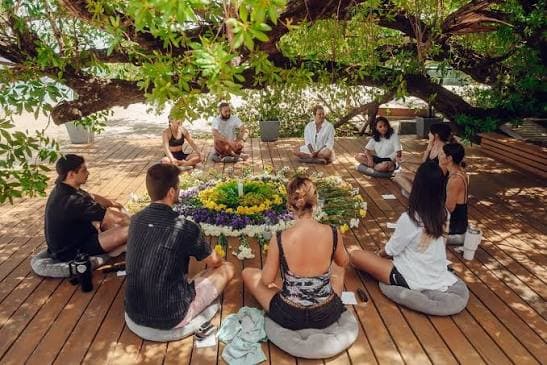
As modern life grows increasingly hectic, wellness retreats have become essential sanctuaries for those seeking to restore balance and rejuvenate their well-being. Summer 2026 offers an exceptional array of retreat experiences, from mountain meditation centers to tropical fitness resorts. Here's your comprehensive guide to the season's most transformative wellness getaways.
Why Choose a Summer Wellness Retreat?
Summer retreats offer unique advantages over other seasons. Longer daylight hours provide more time for outdoor activities, while warmer temperatures enable swimming, hiking, and open-air meditation. The season's natural energy-blooming gardens, vibrant sunsets, and the sound of ocean waves-creates an ideal backdrop for personal transformation.
A structured morning routine can extend the benefits of a retreat long after you return home.
Research consistently demonstrates that nature immersion reduces cortisol levels, lowers blood pressure, and improves mood. A summer retreat combines these natural benefits with structured programs designed to address stress, physical fitness, nutritional health, and emotional well-being simultaneously.
Top Retreat Destinations for Summer 2026
Canyon Ranch, Tucson, Arizona: Set against the stunning backdrop of the Sonoran Desert, Canyon Ranch offers comprehensive wellness programs that combine fitness assessments, nutritional counseling, and spa treatments. Their summer programs include outdoor hiking, desert meditation, and creative arts workshops.
SHA Wellness Clinic, Alicante, Spain: This European destination combines cutting-edge medical wellness with holistic healing. Their summer programs focus on longevity, weight management, and stress reduction, featuring genomic testing, personalized nutrition, and advanced relaxation techniques.
Como Shambhala Estate, Bali: Nestled in the Balinese jungle, this retreat offers immersive wellness experiences including yoga, Pilates, Ayurvedic treatments, and nutritional consultations. The estate's natural setting provides a powerful backdrop for personal reflection and renewal.
Types of Wellness Retreats
Meditation and Mindfulness Retreats: These programs focus on developing mental clarity, emotional balance, and present-moment awareness. Participants typically engage in guided meditation sessions, silent reflection periods, and mindfulness practices that can be integrated into daily life.
Fitness and Adventure Retreats: For those seeking physical challenges, these retreats combine intensive exercise programs with outdoor adventures like hiking, kayaking, and rock climbing. They're ideal for people who find renewal through physical activity and want to push their limits in beautiful settings.
Detox and Cleansing Retreats: These programs address physical health through specialized nutrition programs, fasting protocols, and cleansing treatments. They often include medical supervision and personalized health assessments to ensure safe and effective results.
What to Expect at a Wellness Retreat
Most wellness retreats follow a structured daily schedule that balances activities with rest. A typical day might include morning yoga or meditation, healthy breakfast, educational workshops, physical activities, spa treatments, and evening reflection sessions. The specific activities vary by retreat type and location.
Accommodations range from rustic cabins to luxury suites, depending on the retreat's focus and price point. Most retreats emphasize healthy, delicious cuisine that supports the program's wellness goals, often using locally sourced, organic ingredients. The communal dining experience creates opportunities for connection and support among participants.
Benefits of Wellness Retreats
Research supports the effectiveness of wellness retreats in improving both physical and mental health. Studies show that participants experience reduced stress, improved sleep quality, enhanced immune function, and greater overall life satisfaction. These benefits often persist for months after the retreat ends, particularly when participants integrate new practices into their daily routines.
Beyond measurable health outcomes, wellness retreats provide valuable perspective. Stepping away from daily routines and responsibilities creates space for reflection, self-discovery, and strategic thinking about life priorities. Many participants report that the insights gained during retreats lead to lasting changes in habits, relationships, and career decisions.
How to Choose the Right Retreat
Choosing the right wellness retreat requires honest assessment of your goals, preferences, and budget. Consider what aspects of your well-being need the most attention-physical fitness, mental health, spiritual growth, or general rejuvenation. Research the retreat's philosophy, program structure, and credentials to ensure alignment with your needs.
Location matters significantly. Some people thrive in tropical settings, while others prefer mountain or desert environments. Consider the climate, accessibility, and cultural context of potential destinations. Also evaluate the retreat's size-smaller groups offer more personalized attention, while larger retreats provide more diverse social interactions.
Preparing for Your Retreat
Preparation enhances the retreat experience significantly. Begin establishing any new practices-meditation, yoga, journaling-ahead of time so you can engage more deeply during the retreat. Set clear intentions for what you want to achieve, while remaining open to unexpected insights and experiences.
Practical preparations matter too. Pack comfortable clothing suitable for the climate and planned activities, bring any necessary medications or supplements, and disconnect from work and social media as much as possible. The more fully you can commit to the retreat experience, the greater the benefits you'll realize.
Integrating Retreat Insights into Daily Life
The true value of a wellness retreat lies in how effectively you integrate its lessons into daily life. Create a post-retreat plan that includes specific practices you'll continue, habits you'll modify, and support systems you'll maintain. Many retreats offer follow-up resources, alumni communities, and coaching to support this integration process.
Start small when implementing changes. Rather than overhauling your entire lifestyle at once, focus on one or two practices that felt most impactful during the retreat. Build these into your routine gradually, then add additional changes as the initial practices become habitual. This sustainable approach maximizes the likelihood of lasting transformation.
Related Articles
Frequently Asked Questions
What are the best wellness retreats for summer 2026?
Top summer 2026 wellness retreats include Canyon Ranch in Arizona, SHA Wellness Clinic in Spain, Como Shambhala Estate in Bali, and The Ranch Malibu in California.
How long should a wellness retreat be?
Most wellness retreats range from three to seven days. Longer stays provide deeper immersion, though even a weekend retreat can produce measurable improvements in stress and well-being.
What are the scientific benefits of wellness retreats?
Research shows wellness retreats reduce cortisol levels, improve sleep quality, boost immune function, and produce psychological benefits that persist for months after the retreat ends.
How do I maintain retreat benefits at home?
Start with one small daily habit like meditation or a morning walk, work with retreat staff to create a realistic plan, and consider annual retreat visits to deepen your practice.
The Persona Editorial Desk
Staff Writer, The Editorial Desk